
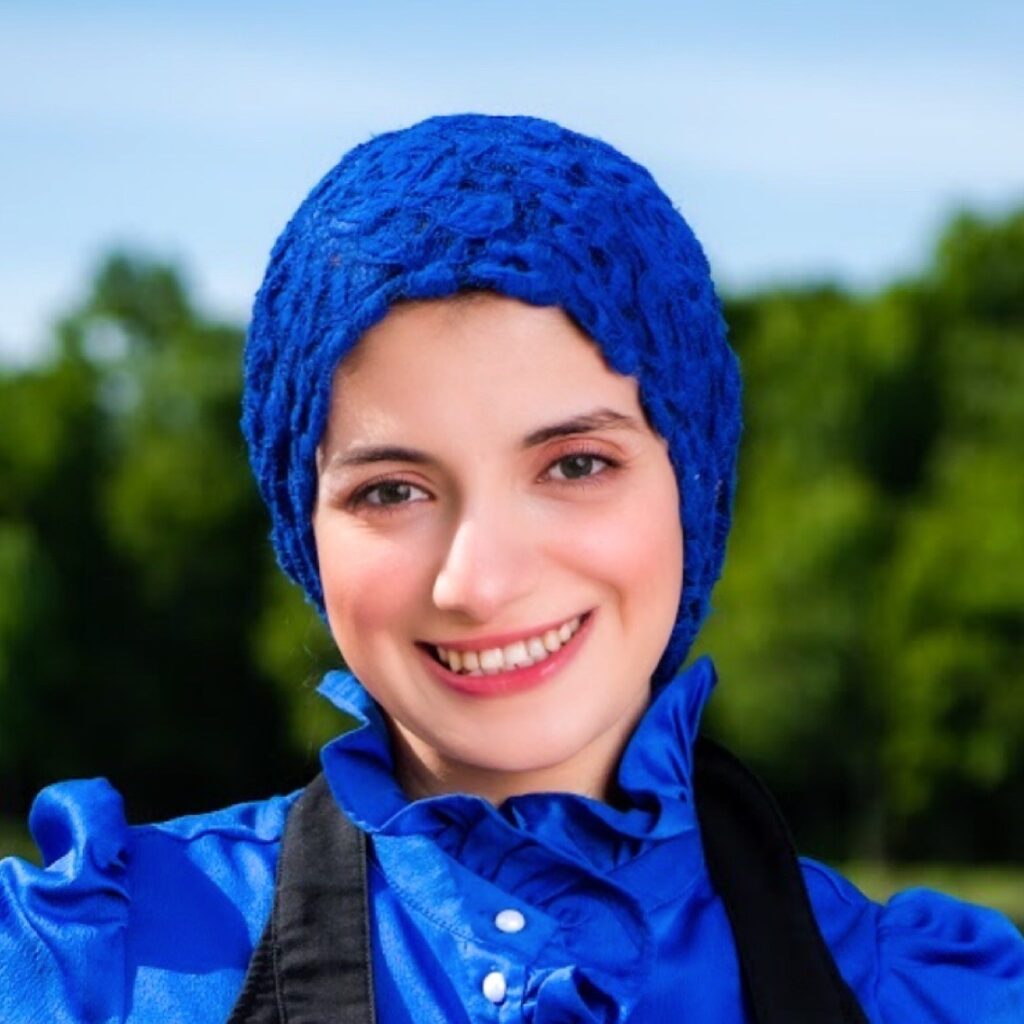
Maggi Ahmed, MD, PhD
Dr. Maggi Ahmed is a board-certified dermatologist, fellowship-trained Mohs surgeon, and laser and dermatologic surgeon. Her clinical expertise spans Mohs micrographic surgery and cutaneous oncology, laser and energy-based therapies, vitiligo and advanced surgical approaches to pigmentary disorders, including melanocyte-keratinocyte transplantation (MKTP), advanced cosmetic and procedural dermatologic surgery, and skin of color. She completed her dermatology residency and fellowship training in Mohs Micrographic Surgery and Dermatologic Oncology at UMass Chan Medical School, where she also served as Chief Resident in Dermatology. She is currently completing an ASDS Laser and Cosmetic Dermatologic Surgery Fellowship with Skin Laser & Surgery Specialists of NY/NJ and Hackensack University Medical Center.
Dr. Ahmed earned a Clinical and Translational Science PhD from the University of Massachusetts Medical School, where her research focuses on advancing surgical treatments for vitiligo through cellular grafting surgery, laser-based technologies, and immunomodulation. Her work bridges immune-mediated skin disease and procedural innovation, with an emphasis on developing and optimizing surgical therapies for pigmentary skin disorders.
Her academic work has been recognized with national awards, including the Everett C. Fox Memorial Award from the American Academy of Dermatology, the Dr. Richard E. Fitzpatrick Award from the American Society for Laser Medicine and Surgery, and the Dermatology Resident of Distinction Award from Maui Derm. She has received competitive research grants from the American Society for Dermatologic Surgery, the Skin of Color Society, and the American Skin Association, and her work has been published in the Journal of the American Academy of Dermatology, Science Translational Medicine, and the Journal of Investigative Dermatology. She has been invited to speak at national and international dermatology conferences and serves as a reviewer for leading peer-reviewed journals.
Dr. Ahmed is committed to medical education and program development, advancing procedural dermatology and improving access to high-quality dermatologic care.
Copyright ©2026 All Rights Reserved
New Frontiers in Cosmetic Medicine & Medical Dermatology